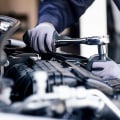
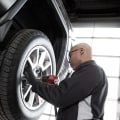
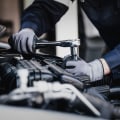
Aftermarket modifications allow vehicle owners to personalize their automobiles, improve performance, enhance appearance, and introduce additional features. Popular upgrades include custom suspension systems, performance exhaust components, aftermarket wheels, upgraded lighting, and advanced audio equipment. While these modifications can improve driving experiences, they may also affect vehicle safety, mechanical reliability, and overall performance. Regular inspections are essential for ensuring that modified components function correctly and remain compatible with existing vehicle systems. By prioritizing professional evaluations and preventive maintenance, motorists can enjoy the benefits of vehicle customization while reducing potential mechanical problems and unexpected repair expenses.
Identifying Potential Mechanical Problems Early
Aftermarket modifications can place additional demands on various vehicle components, particularly when upgrades alter original manufacturer specifications. Suspension adjustments, larger wheels, and performance enhancements may affect steering response, braking efficiency, and drivetrain performance.
Regular inspections help technicians identify unusual wear, loose connections, improper installations, and developing mechanical problems before they become serious concerns.
Experienced automotive professionals can evaluate whether aftermarket components are functioning as intended and determine if additional adjustments or repairs are necessary. Addressing potential issues early helps protect the vehicle from extensive damage while maintaining reliable performance.
Ensuring Compatibility with Existing Vehicle Systems
Modern automobiles contain interconnected mechanical and electronic systems designed to operate within specific performance parameters. Installing aftermarket accessories without considering compatibility can create unexpected complications.
For example, upgraded lighting systems and high-powered audio equipment may increase electrical demand, potentially affecting battery performance or charging efficiency. Similarly, suspension modifications can influence wheel alignment and tire wear.
Professional inspections help verify that installed components remain compatible with the vehicle's original systems. Technicians can also identify installation problems that might otherwise compromise safety or reliability.
Preparing for Unexpected Roadside Emergencies
Even carefully modified vehicles can experience unexpected mechanical difficulties, particularly during long-distance travel or demanding driving conditions. Battery failures, tire damage, overheating, and electrical malfunctions may require immediate professional assistance.
Dependable roadside assistance providers such as Road Angel Towing and Roadside Service can offer valuable support when motorists encounter unexpected transportation emergencies.
Owners of modified vehicles should verify that roadside providers can accommodate specialized equipment, lowered suspensions, oversized tires, or other custom features. Appropriate towing procedures help reduce the possibility of additional damage during vehicle recovery.
Maintaining Safety and Roadworthiness
Vehicle modifications should never compromise essential safety features. Changes involving suspension geometry, braking components, lighting systems, and wheel configurations require careful inspection to ensure safe operation.
Regular evaluations help confirm that modifications meet applicable transportation regulations and do not interfere with critical vehicle functions.
Maintaining proper tire clearance, secure mounting hardware, and functional safety equipment contributes to predictable vehicle handling and improved roadworthiness.
Protecting Long-Term Vehicle Value
Proper maintenance can help preserve the condition and value of modified vehicles. Keeping detailed records of installations, inspections, and repairs demonstrates responsible ownership and provides useful information for future servicing.
Regular professional evaluations may also prevent premature component deterioration and unnecessary replacement expenses.
Supporting Reliable Performance Through Preventive Care
Consistent inspections are essential for maintaining the safety, performance, and reliability of vehicles equipped with aftermarket modifications. Vehicle owners should follow appropriate maintenance schedules and consult qualified technicians whenever unusual symptoms develop.
Ultimately, combining responsible customization with professional inspections and emergency preparedness allows motorists to enjoy personalized vehicles while minimizing mechanical risks, protecting their investments, and maintaining dependable transportation.