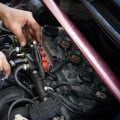
When it comes to maintaining your vehicle, aftermarket auto servicing plays a crucial role in ensuring its longevity and performance. Unlike factory services that are often limited to basic maintenance, aftermarket servicing encompasses a wide range of options tailored to meet the specific needs of your vehicle. This flexibility allows car owners to choose services that not only enhance performance but also improve safety and reliability. The importance of regular servicing cannot be overstated. Just as you would schedule routine check-ups for your health, your vehicle requires consistent attention to function optimally.
Aftermarket auto servicing provides an opportunity to address potential issues before they escalate into costly repairs. By investing in these services, you are not only preserving the value of your vehicle but also ensuring a smoother and safer driving experience. As we delve deeper into the topic, it’s essential to understand how often these services should be performed. The frequency of aftermarket auto servicing can vary based on several factors, including driving habits, vehicle age, and specific manufacturer recommendations. By establishing a regular maintenance schedule, you can keep your vehicle in peak condition and avoid unexpected breakdowns.
What is Aftermarket Auto Servicing?
Aftermarket auto servicing refers to vehicle maintenance and repair services that are performed by independent service providers rather than the original equipment manufacturer (OEM).This type of servicing can include a wide range of options, from routine maintenance to more extensive repairs, all designed to keep your vehicle running smoothly and efficiently.
Types of Aftermarket Auto Services
- Routine Maintenance: This includes oil changes, tire rotations, and brake inspections, which are essential for the longevity of your vehicle.
- Repairs: Aftermarket services can cover everything from engine repairs to transmission work, often at a lower cost than dealership prices.
- Performance Upgrades: Many aftermarket service providers offer enhancements such as improved exhaust systems or suspension modifications to boost your vehicle's performance.
- Customizations: This can involve aesthetic changes like new paint jobs or interior upgrades, allowing you to personalize your vehicle.
Benefits of Choosing Aftermarket Options
Opting for aftermarket auto servicing comes with several advantages:- Cost-Effectiveness: Aftermarket services are often more affordable than those offered by dealerships, making it easier to maintain your vehicle without breaking the bank.
- Flexibility: Independent shops may offer a wider range of services and more flexible scheduling options compared to traditional dealerships.
- Personalized Service: Many aftermarket providers focus on customer relationships, offering tailored advice and solutions based on individual needs.
- Quality Parts: Many aftermarket services use high-quality parts that meet or exceed OEM standards, ensuring reliability and performance.
Factors Influencing Servicing Frequency
When considering how often to schedule aftermarket auto servicing, several key factors come into play that can significantly influence the frequency of maintenance required for your vehicle.Vehicle Type
The type of vehicle you own is one of the most critical factors affecting servicing frequency. For instance, luxury vehicles often require more frequent servicing due to their complex systems and higher performance standards. In contrast, standard sedans or compact cars may have less stringent maintenance needs.Additionally, vehicles designed for specific purposes, such as trucks used for towing or off-road vehicles, may require more regular checks to ensure they are operating efficiently under demanding conditions.
Driving Habits
Your driving habits also play a significant role in determining how often you should seek aftermarket auto servicing. If you frequently drive in stop-and-go traffic, your vehicle may experience more wear and tear compared to someone who primarily drives on highways. Short trips can prevent your engine from reaching optimal operating temperature, leading to increased oil contamination and other issues. Conversely, long-distance drivers may find that their vehicles require less frequent servicing due to the consistent operation at higher speeds.Environmental Conditions
The environment in which you drive can further influence servicing needs.For example, if you live in an area with extreme temperatures, whether hot or cold, your vehicle may require more frequent checks on fluids and battery health. Similarly, driving in regions with heavy rainfall or snow can lead to increased wear on brakes and tires, necessitating more regular inspections.In summary, understanding the factors affecting servicing frequency, such as vehicle type and driving habits, is essential for maintaining your vehicle's performance and longevity. Regular assessments based on these factors can help ensure that your car remains in optimal condition while potentially saving you money on repairs in the long run.
General Guidelines for Aftermarket Auto Servicing Frequency
When it comes to aftermarket auto servicing, understanding the right frequency for maintenance is crucial for keeping your vehicle in optimal condition. While specific recommendations can vary based on the make and model of your vehicle, as well as driving conditions, there are general guidelines that can help you determine when to schedule your next service.Mileage Recommendations
A common rule of thumb is to have your vehicle serviced every 5,000 to 7,500 miles.This interval typically includes essential services such as oil changes, filter replacements, and tire rotations. However, if you frequently drive in harsh conditions—such as heavy traffic, extreme temperatures, or off-road environments—you may need to consider more frequent servicing.
Time Intervals
In addition to mileage, time intervals are also important. If you don’t drive your vehicle often, it’s recommended to schedule aftermarket auto servicing at least every six months. This ensures that fluids remain fresh and components do not deteriorate due to inactivity.Specific Service Intervals
- Oil Changes: Every 5,000 to 7,500 miles or every 6 months.
- Tire Rotation: Every 5,000 to 8,000 miles.
- Brake Inspection: At least once a year or every 12,000 miles.
- Fluid Checks: Every 6 months or during each service visit.
Always consult your owner’s manual for specific recommendations tailored to your car's needs and consider working with a trusted mechanic who understands aftermarket parts and services.
Signs Your Vehicle Needs Aftermarket Servicing
Recognizing the signs that your vehicle needs aftermarket auto servicing is crucial for maintaining its performance and longevity. Ignoring these indicators can lead to more significant issues down the road, so it's essential to stay vigilant.- Unusual Noises: If you hear strange sounds such as grinding, squeaking, or knocking, it may indicate that components like brakes or the engine require attention.
- Warning Lights: Dashboard warning lights are designed to alert you to potential problems. If the check engine light or any other warning light illuminates, it’s time to seek aftermarket auto servicing.
- Poor Performance: A noticeable decline in your vehicle's performance, such as reduced acceleration or difficulty starting, can signal that servicing is needed.
- Fluid Leaks: Any signs of leaking fluids—be it oil, coolant, or transmission fluid—should not be ignored. These leaks can lead to severe damage if not addressed promptly.
- Excessive Exhaust Smoke: If your vehicle emits unusual colors of smoke from the exhaust, such as blue or black smoke, it may indicate engine problems that require immediate attention.
- Vibrations or Pulling: If your car vibrates while driving or pulls to one side, it could be a sign of misalignment or tire issues that need servicing.
Addressing these issues early not only enhances safety but also saves you money in the long run by preventing more extensive repairs.
Cost Considerations for Aftermarket Auto Servicing
When considering aftermarket auto servicing, understanding the associated costs is crucial for effective budgeting and maintenance planning. The expenses can vary significantly based on the type of service, the vehicle's make and model, and the specific aftermarket parts used.Cost of Aftermarket Servicing
- Routine maintenance, such as oil changes and tire rotations, typically ranges from $50 to $150.
- More extensive services, like brake replacements or transmission work, can cost anywhere from $300 to over $1,000.
- Aftermarket parts may offer savings compared to OEM parts, but quality can vary; it's essential to research brands and warranties.
Budgeting for Maintenance
To effectively budget for aftermarket auto servicing, consider the following strategies:
- Establish a Maintenance Schedule: Regularly scheduled services can prevent costly repairs down the line. Refer to your vehicle's manual for recommended service intervals.
- Create a Maintenance Fund: Set aside a specific amount each month dedicated to car maintenance. This proactive approach can alleviate financial stress when unexpected repairs arise.
- Shop Around: Compare prices from different service providers.
Some may offer discounts or loyalty programs that can help reduce costs.
Cost vs. Benefit Analysis
While the initial costs of aftermarket auto servicing may seem high, the long-term benefits often outweigh these expenses. Regular maintenance can:
- Enhance vehicle performance and fuel efficiency.
- Extend the lifespan of your vehicle.
- Prevent more significant issues that could lead to expensive repairs.
Frequently Asked Questions About Aftermarket Auto Servicing
When it comes to aftermarket auto servicing, many car owners have questions and concerns.Here are some of the most frequently asked questions that can help clarify common misconceptions:
- What is aftermarket auto servicing?
Aftermarket auto servicing refers to maintenance and repair work performed by independent shops or service providers, rather than the vehicle's original manufacturer. This can include everything from oil changes to more complex repairs. - Is aftermarket servicing safe?
Yes, aftermarket auto servicing is generally safe, provided you choose a reputable service provider. Many independent mechanics are highly skilled and use quality parts that meet or exceed OEM standards. - Will using aftermarket parts void my warranty?
This is a common myth. Under the Magnuson-Moss Warranty Act, using aftermarket parts does not automatically void your vehicle's warranty, as long as the parts are of good quality and the service is performed correctly. - How often should I get aftermarket servicing done?
The frequency of aftermarket auto servicing depends on your vehicle's make and model, as well as your driving habits.Generally, it's advisable to follow the manufacturer's recommended service intervals, which can be found in your owner's manual.
- Can I trust independent mechanics?
Many independent mechanics are certified and have extensive experience. Look for reviews and ask for recommendations to find a trustworthy shop in your area.
Conclusion: Making Informed Decisions on Aftermarket Auto Servicing Frequency
In conclusion, understanding the frequency of aftermarket auto servicing is crucial for maintaining your vehicle's performance and longevity. Throughout this article, we have explored various factors that influence how often you should seek these services, including your driving habits, the type of aftermarket parts installed, and the specific recommendations from manufacturers.To summarize:- Driving Conditions: If you frequently drive in harsh conditions—such as extreme temperatures, heavy traffic, or off-road environments—you may need to schedule aftermarket auto servicing more often.
- Type of Aftermarket Parts: Different aftermarket components have varying lifespans. For instance, performance parts may require more frequent checks compared to standard replacements.
- Manufacturer Recommendations: Always refer to the guidelines provided by the manufacturer of your vehicle and the aftermarket parts.
These recommendations are tailored to ensure optimal performance and safety.
- Regular Inspections: Incorporating regular inspections into your maintenance routine can help identify potential issues before they escalate, saving you time and money in the long run.